Why the coin you choose changes the price
Here's the lesson most shoppers learn the expensive way: the gift card's service fee is usually small and fixed, but the network fee — the cost to move your crypto — swings wildly depending on which coin and chain you use. On a small card, that network fee can be the biggest line item. Pick the right coin and a $20 card costs you about $20; pick the wrong one during network congestion and you might add several dollars for nothing.
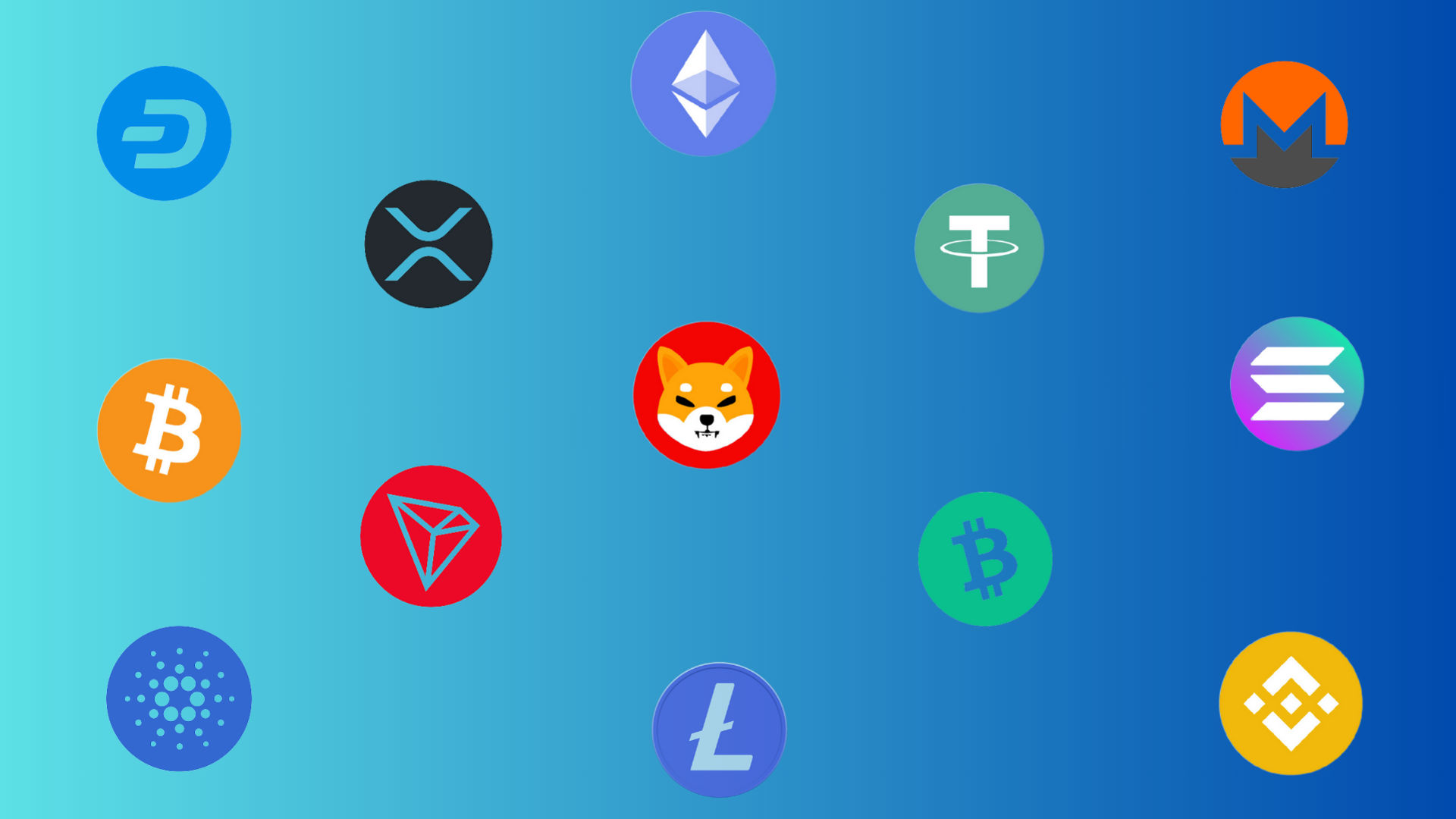
As a rule of thumb, stablecoins on low-fee networks (USDT/USDC on TRON), Litecoin, XRP, Solana, Dogecoin, and Bitcoin over the Lightning Network all keep network costs to cents or fractions of a cent. On-chain Bitcoin and Ethereum mainnet can be far more expensive when the network is busy — fine for a large purchase, wasteful for a small one. Each page below breaks down the specifics for that coin.
Match the coin to the job
If you want predictable pricing, pay with a stablecoin like USDT. If you want the cheapest possible small-card purchase, Litecoin, XRP or Bitcoin Lightning are excellent. If you already hold a specific asset — ETH, BNB, DOGE or SOL — you can usually spend it directly without swapping first, especially on a broad platform like Coinsbee. Whatever you choose, the workflow is the same: get the coin on a licensed exchange, then spend it on a gift-card platform.
The cheapest coins at a glance
The pattern is clear: stablecoins win on predictability, while Litecoin, XRP, Solana and Lightning win on rock-bottom fees. The coins to be careful with are on-chain Bitcoin and Ethereum mainnet, where fees can spike — perfectly fine for big purchases, but easy to overpay on small ones. When in doubt, USDT on a low-fee network is the safe, boring, money-saving default.
One workflow, any coin
No matter which coin you pick, the path is identical. Buy or hold the crypto in a wallet you control, choose a gift-card platform that accepts it, select the brand and correct region, then pay — confirming the live quote and network fee before you send. Codes arrive by email in seconds to minutes. For the complete walkthrough see our buying guide, and to understand every cost involved, read fees explained.
Don't have the coin yet?
If you're starting from scratch, the cleanest route is to buy your chosen coin on a licensed exchange and withdraw it on a low-fee network. We point newcomers to CEX.IO because it's openly regulated — FinCEN-registered and Gibraltar-licensed — so your on-ramp is documented and clean. From there you can either spend directly or, if you hold a volatile coin and want price certainty, convert a portion to USDT before you shop. Either way, you're only ever a couple of steps from turning crypto into a usable gift card.